

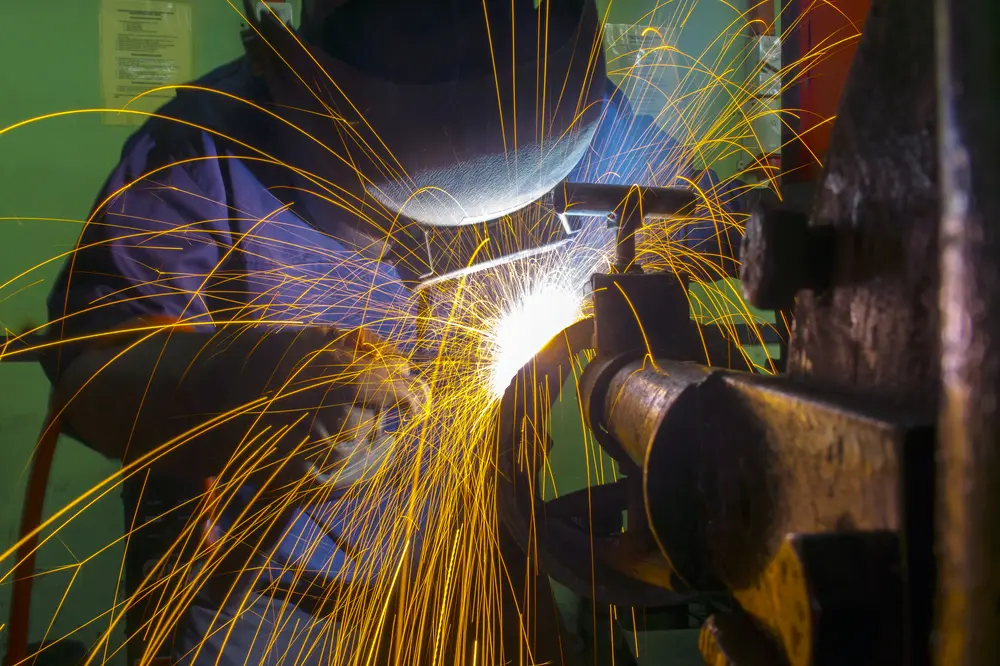
Welding plays an essential role in maintaining, repairing, and improving properties throughout Pomona, CA. From repairing metal gates and fences to fabricating structural components for commercial buildings, professional welding services help businesses and homeowners keep their metal structures functional, safe, and durable. However, not every welding project requires the same equipment, techniques, or expertise.
Understanding the different types of welding services can help property owners select the right approach for their projects. Common welding methods include MIG welding, TIG welding, stick welding, and flux-cored arc welding. Each method offers distinct advantages depending on the materials, working conditions, and desired results.
For homeowners and businesses in Pomona and surrounding communities, choosing the appropriate welding service can improve the quality of repairs, reduce unnecessary expenses, and extend the useful life of metal structures.
What Are the Main Types of Welding Services?
The main types of welding services include MIG welding, TIG welding, stick welding, and flux-cored arc welding. These methods use different techniques to join metals and are selected based on material thickness, environmental conditions, appearance requirements, and structural demands.
In Pomona, welding services support residential improvements, commercial property maintenance, industrial equipment repairs, and custom metal fabrication.
MIG welding, also called Gas Metal Arc Welding (GMAW), uses a continuously fed wire electrode to create a weld. It is commonly used for general metal fabrication, automotive repairs, and manufacturing applications because it offers efficient operation and relatively clean results.
TIG welding, or Gas Tungsten Arc Welding (GTAW), uses a nonconsumable tungsten electrode and a separate filler material when needed. This method provides precise control, making it suitable for stainless steel, aluminum, and projects requiring detailed workmanship.
Stick welding, formally known as Shielded Metal Arc Welding (SMAW), uses a consumable electrode coated in flux. It is frequently used for outdoor repairs, construction work, and maintenance involving heavier steel components.
Flux-cored arc welding (FCAW) uses a tubular wire containing flux. Depending on the process, it may operate with or without external shielding gas. It is useful for certain heavy-duty fabrication and repair applications.
Choosing between these methods requires evaluating the project’s location, material specifications, and intended use.
MIG Welding Services for Residential and Commercial Projects
MIG welding is a versatile welding method commonly used for steel fabrication, general repairs, and projects requiring efficient production. Its continuous wire-feed system makes it particularly useful for repetitive welds and fabrication involving multiple components.
For Pomona homeowners, MIG welding may be appropriate for repairing metal fencing, fabricating brackets, modifying steel frames, or constructing custom metal fixtures. The process can produce consistent welds when the materials are properly prepared and the equipment is correctly adjusted.
Commercial businesses also benefit from MIG welding for equipment components, metal assemblies, shelving supports, and general fabrication projects.
MIG welding offers several practical advantages, including relatively fast welding speeds, reduced slag cleanup when using solid wire, and compatibility with various metals when the appropriate consumables and shielding gases are selected.
However, conventional gas-shielded MIG welding is sensitive to wind. Outdoor projects near the Pomona Valley may require additional shielding, specialized equipment, or a different welding method to maintain weld quality.
The condition of the metal also matters. Rust, paint, oil, and other contaminants should be removed from the welding area before work begins. Proper preparation helps prevent defects that could compromise the finished connection.
TIG Welding for Precision Metal Fabrication
TIG welding is a precision-focused welding process that provides excellent control over heat input and weld appearance. It is especially useful for projects involving thinner materials, stainless steel, aluminum, and visible metalwork where a clean finish is important.
Homeowners in Pomona may encounter TIG welding in custom railings, decorative metal fixtures, specialty repairs, and certain architectural applications. Commercial properties may require TIG welding for stainless steel components, specialized equipment, or custom-fabricated assemblies.
One of TIG welding’s primary advantages is its ability to create detailed welds with minimal spatter. Skilled welders can carefully control the welding arc and filler material to produce precise connections.
This level of control is particularly valuable when working with materials that are sensitive to excessive heat or distortion.
TIG welding generally takes more time than MIG welding and requires careful preparation. As a result, it may not be the most economical option for every project.
For property owners seeking custom metal fabrication in Los Angeles County, TIG welding is often worth considering when appearance, precision, and material compatibility are priorities.
Stick Welding for Outdoor Repairs and Heavy-Duty Applications
Stick welding is a practical option for outdoor metal repairs, construction projects, and maintenance involving thicker steel components. Because the process uses flux-coated electrodes rather than an external shielding gas supply, it can perform well in outdoor conditions.
Businesses throughout Pomona may use stick welding for repairs involving steel equipment, structural components, industrial machinery, and other heavy-duty metal assemblies.
For residential properties, stick welding may be suitable for certain gate repairs, steel supports, and other projects involving substantial metal sections.
The process is particularly useful when access to a controlled workshop environment is limited.
However, stick welding requires proper electrode selection, careful technique, and removal of slag between welding passes. It can also produce more spatter and cleanup requirements than some alternative methods.
Although stick welding can tolerate some challenging field conditions, it does not eliminate the need for proper surface preparation. Severely corroded, contaminated, or structurally compromised metal may require additional preparation or replacement.
For commercial and industrial facilities near the Pomona industrial corridor, professional evaluation helps determine whether an existing component can be repaired safely or requires a more extensive solution.
Custom Metal Fabrication and Welding Repairs
Custom metal fabrication combines cutting, shaping, fitting, and welding to create metal components designed for a specific application. Unlike basic repairs, fabrication projects may involve creating entirely new structures or modifying existing assemblies.
For homeowners, custom fabrication can provide practical solutions when standard metal products do not fit a property’s layout or design.
Common residential applications include custom gates, handrails, fencing components, steel brackets, and decorative metal features.
Commercial fabrication projects may involve equipment supports, protective barriers, work platforms, storage systems, and replacement components for machinery.
In communities such as Claremont, La Verne, San Dimas, and Diamond Bar, property owners may need custom metalwork to accommodate existing structures, unusual dimensions, or specialized functional requirements.
A successful fabrication project begins with accurate measurements and an understanding of how the finished component will be used.
Material selection is equally important. Carbon steel, stainless steel, and aluminum have different strength characteristics, corrosion resistance, fabrication requirements, and maintenance needs.
For outdoor installations in Southern California, protective coatings and suitable material choices can help reduce corrosion caused by moisture, irrigation exposure, and environmental contaminants.
When projects involve load-bearing structures, safety barriers, or other critical components, additional engineering, permitting, or inspection requirements may apply.
How to Choose the Right Welding Service for Your Project
Choosing the right welding service requires matching the welding process to the material, working environment, and intended function of the finished component. A technique that works well for a decorative metal fixture may not be appropriate for repairing industrial equipment or a load-bearing steel connection.
The first consideration is the type of metal being welded.
Carbon steel is widely used in gates, fences, frames, and commercial structures. Stainless steel is commonly selected for applications requiring corrosion resistance or a refined appearance. Aluminum is valued for its relatively low weight and corrosion resistance but requires specialized welding procedures.
The second consideration is material thickness.
Thin metal components require careful heat control to prevent distortion or burn-through. Thicker materials may require joint preparation, multiple welding passes, and specific procedures to achieve adequate penetration.
Project location also affects the decision.
Indoor fabrication shops provide controlled conditions for precision work, while outdoor repairs may require portable welding equipment and methods suited to wind or restricted access.
Finally, property owners should consider whether the project is decorative, functional, or structural.
Structural welding requires particular attention to applicable codes, approved procedures, qualified personnel, and inspection requirements.
For projects in Pomona, local building requirements should be reviewed before modifying structural steel, installing certain permanent metal structures, or making alterations that may require permits.
Working with a qualified welding professional helps ensure that the proposed repair or fabrication method is appropriate for the application.
Frequently Asked Questions About Welding Services
What type of welding is best for metal gates and fences in Pomona, CA?
MIG and stick welding are commonly used for steel gates and fences, depending on the metal thickness, repair location, and working conditions. MIG welding is often suitable for controlled fabrication work, while stick welding may be useful for outdoor repairs. A professional can determine which method best suits the existing structure.
Can welding repair a broken metal gate instead of replacing it?
Yes, welding can often repair broken metal gates when the surrounding material remains structurally sound. Common repairs include damaged hinges, cracked joints, and separated steel components. However, severe corrosion, extensive distortion, or repeated failures may make partial or complete replacement the more practical long-term option.
What welding services do commercial businesses in Los Angeles County commonly need?
Commercial businesses may need welding for equipment repairs, steel fabrication, protective barriers, machinery components, and property maintenance. The appropriate service depends on the equipment’s purpose, material specifications, and safety requirements. Structural or safety-critical repairs may require engineering review, documented procedures, and qualified welders.
Is TIG welding better than MIG welding?
TIG welding is not universally better than MIG welding. TIG provides precise control and is often preferred for detailed work, thin materials, and certain stainless steel or aluminum applications. MIG welding generally offers faster production for many fabrication projects. The best choice depends on material requirements, weld appearance, and project complexity.
Can welding services be performed outdoors in Pomona?
Yes, many welding repairs can be performed outdoors when appropriate equipment, procedures, and safety precautions are used. Stick welding and certain flux-cored processes are particularly useful in field conditions. Outdoor work must account for wind, combustible materials, ventilation, electrical hazards, and applicable fire prevention requirements.
How much do welding services cost in Pomona, CA?
Welding costs vary according to the material, repair complexity, labor requirements, equipment, accessibility, and whether the work is completed on-site or in a fabrication shop. Structural work and specialized materials may require additional preparation or inspection. Requesting a project-specific estimate is the most reliable way to understand potential costs.
Do I need a permit for welding work on my property?
A permit may be required when welding is part of structural alterations, certain permanent installations, or other regulated construction activities. Minor nonstructural repairs may not require the same approvals. Property owners in Pomona should confirm applicable requirements with the City of Pomona Building and Safety Division before beginning work.
How can I tell whether a welded metal structure needs repair?
Visible cracks, broken joints, excessive rust, loose connections, and unusual movement can indicate that a metal structure needs professional attention. Gates that sag or fail to close properly may also have damaged welded components. Load-bearing or safety-critical structures should not remain in use when their integrity is uncertain.
Get Professional Welding Solutions in Pomona, CA
Choosing the right welding service can make a meaningful difference in the durability, appearance, and performance of your metal structures. Whether you need a residential gate repaired, custom metal components fabricated, or welding assistance for a commercial project, understanding the available methods helps you make an informed decision.
At Lukens Certified Welding, we understand that every welding project has unique requirements. We encourage homeowners and businesses in Pomona, CA, to discuss their material specifications, repair concerns, and fabrication goals before selecting a welding solution.
Contact us to discuss your welding needs and learn more about the options available for your residential or commercial project.